
Vehicle owners often focus on distance, type of carrier, and time required to ship when considering the cost of shipping their vehicle, but not necessarily on the vehicle’s weight. Knowing how much weight affects car transportation costs can help you make good decisions toward avoidance of surprise expenses.
At CarShippingAuto.com we believe in being upfront about our rates and why we quote what we do. This guide explains why weight matters, how carriers calculate shipping rates, and things to consider when preparing your vehicle to avoid unnecessary charges.
Why Vehicle Weight Matters in Auto Transport Pricing
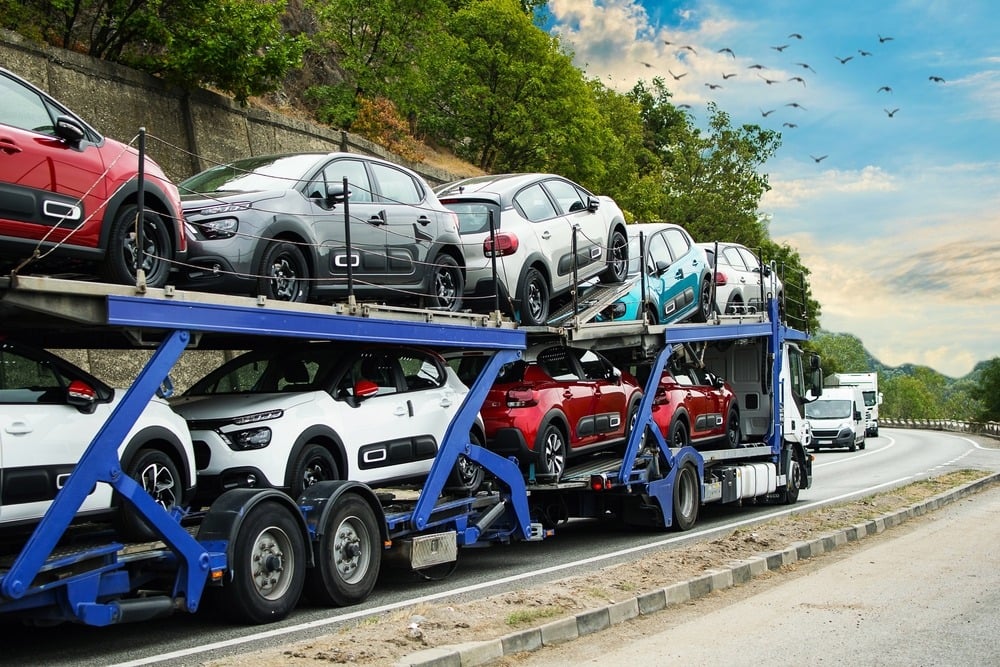
Auto transport carriers must follow federal and state weight laws in order to operate legally. Each loaded trailer is limited to a legal gross weight based on the weight of the vehicles, equipment and fuel being carried. Adding a heavier vehicle to a transport load affects the fuel economy, axle weight distribution, and spacing of the truck.
Key Reasons Weight Impacts Rates:
- Heavier vehicles reduce how many units can be transported at once
- Extra weight increases fuel consumption
- Carriers must meet axle weight restrictions
- Larger, heavier vehicles take up more trailer space
- Heavier loads require stronger tie-downs and equipment
A vehicle weighs more and uses more resources and capacity including transporting it.
Vehicle Categories and How They Affect Pricing
Shipping companies sort cars by size and weight and each category has a price.
Compact and Mid-Size Cars (Lightweight)
Toyota Corolla, Honda Civic, Hyundai Elantra
- Usually the cheapest to ship
- Fit easily within standard carrier weight limits
Full-Size Sedans and Small Crossovers (Medium Weight)
- Examples: Honda Accord, Toyota Camry, Nissan Rogue
- Slightly higher rates than compact cars
SUVs and Pickup Trucks (Heavyweight)
Ford F-150, Chevy Silverado, Toyota 4Runner for instance
- Heavier and bulkier
- Often increase transport cost due to weight and length
Oversized or Modified Vehicles (Extra Heavy)
Trucks with lifts, dually pickups, armored vehicles
- Require special handling
- May need single-vehicle or lowboy trailers
Knowing of the weight of your car can help you to better understand car transport quotes.
How Carriers Calculate Rates Based on Weight
Weight is generally the primary factor carriers use to determine their rates.
Trailer Weight Capacity
The open carrier most often has a vehicle capacity of 7 to 10 vehicles. Heavier vehicles may further restrict the number of cars that can be transported safely, increasing cost per vehicle.
Axle Load Regulations
Laws governing the Department of Transportation (DOT) limit the weight amount allowed on each axle this leaves heavier vehicles to fill the space.
Fuel Efficiency
A heavier shipment means the truck uses more fuel, so the fuel cost is greater.
Extra Labor and Equipment
Heavier vehicles may require:
- Stronger straps
- Wider wheel nets
- Hydraulic lift gates
- Extra time during loading and unloading
These factors are involved in pricing transportation.
Weight Limits and State Regulations That Affect Rates
State transportation agencies impose weight restrictions for highways and bridges. A carrier who crosses from one state to another must comply with the rules of each state.
Impacts of State Regulations:
- Carriers may need to adjust routes to avoid weight-restricted roads
- Detours or alternate routes can increase mileage and cost
- Overweight permits may be required for specialty vehicles
Not every carrier is able to transport this heavy load so you might consider hiring a company like CarShippingAuto.com, that knows state regulations.
How Extra Items Inside the Vehicle Affect Weight
Customers may not be aware that leaving personal items in a car incurs extra weight and cost for required pricing.
Why Extra Items Increase Rates:
- Added weight counts toward the vehicle’s transport weight
- It can push the vehicle into a higher pricing category
- Carriers may reject overloaded vehicles due to safety risks
What You Should Remove Before Shipping:
- Boxes, clothes, books, or household goods
- Heavy equipment or tools
- Extra tires or aftermarket parts
- Roof racks (if removable)
Most carriers only allow a maximum carry weight of 100 lbs. for personal items below window level.
Weight and Vehicle Modifications
Modifications may increase weight, as well as price.
Modifications That Increase Weight:
- Lift kits
- Larger off-road tires
- Winches
- Steel bumpers
- Roof platforms
- Underbody armor
Tell to the transport company always if your car is modified. If information is accurate, pricing can be accurate with an avoidance of last-minute delays.
Tips to Reduce Costs Related to Vehicle Weight
Knowing how weight affects car transport rates will give you a competitive edge if you want to save money on shipping costs.
Remove All Unnecessary Items
Personal belongings quickly weigh you down.
Avoid Shipping Extra Tires or Rims
Spare wheels are heavy and can be an additional rate increase.
If Possible, Remove Heavy Add-On Accessories
Accessories, such as roof racks, or aftermarket bumpers can add important weight.
Choose Open Transport (If Suitable)
Pricing is still dependent on weight, but open transport generally has greater flexibility than enclosed transport.
Provide Accurate Vehicle Information
This helps the company find the carrier that’s right for you without incurring expensive corrections later.
Why Choose CarShippingAuto.com for Transparent, Fair Pricing?
CarShippingAuto.com will provide an accurate, honest quote and outline the impact weight and size have on it.
Our Advantages:
- Transparent and detailed pricing breakdowns
- Expertise in weight-based transport regulations
- Large network of carriers for all vehicle sizes
- Accurate vehicle classification for fair quotes
- Options for open or enclosed transport
- Full insurance coverage
- Door-to-door shipping nationwide
We help customers prepare, classify vehicles to find the best fit, and consider weight to avoid excess fees.
Understanding Weight Helps You Save on Shipping
Now that you understand how weight affects the price of car transport, you can review your quote, prepare your vehicle for transport and find a car transport company to fit your needs at this stage. Weight influences the carrier used, fuel cost, available space, required equipment, and regulations.
At CarShippingAuto.com, we provide the utmost transparency, integrity and customer service and educate every customer about every factor influencing their transport, including weight, to provide them with the best shipping experience.
